We’ve already spoken about the importance of outdoor education but this time we’re flipping the script and hearing from our resident experts here at Muskoka Woods as to why it’s so important for student development.
In today’s rapidly changing world, traditional classroom learning is only one piece of the puzzle when it comes to nurturing well-rounded individuals. Outdoor education, with its hands-on experiences and direct engagement with nature, plays a pivotal role in fostering holistic student development. As an authority on outdoor education, Muskoka Woods staff recognize the profound impact of outdoor experiences on students’ growth. Read on for what they have to say about the benefits of outdoor education.
Physical health and activity
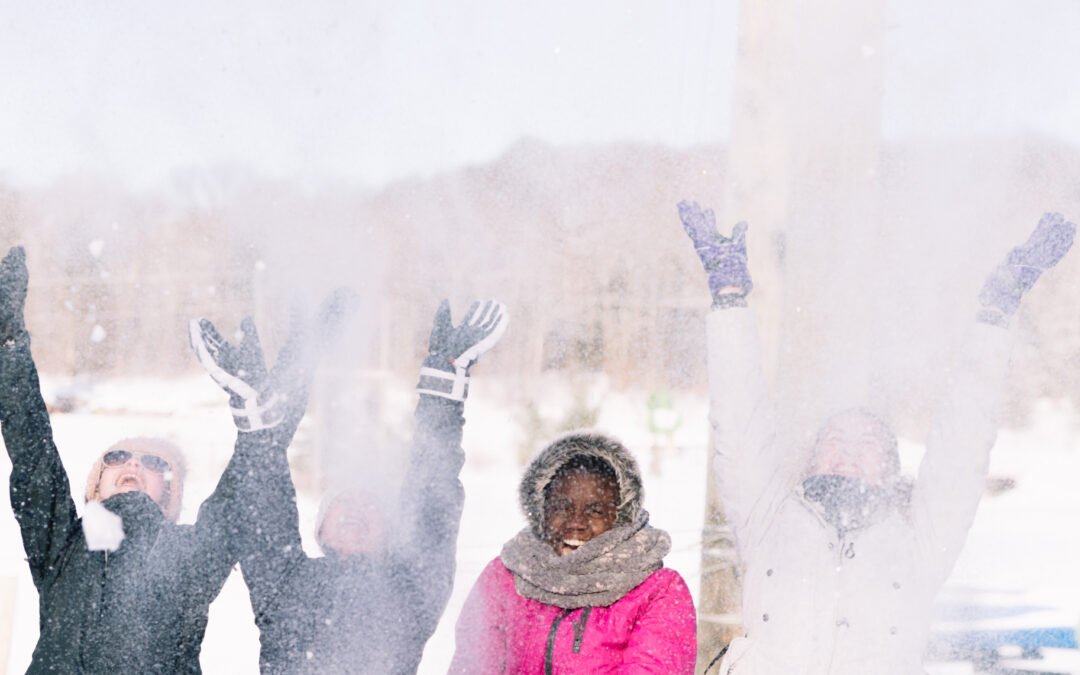
Outdoor education encourages students to step away from screens and embrace physical activity. A camp setting like Muskoka Woods also means that the activities kids get to choose from are new and exciting. Through varied activities like high ropes, cross-country skiing, and team sports, students develop healthy habits that combat sedentary lifestyles. Physical activity not only improves fitness but also enhances academic performance and overall well-being.
Michi Waddell, Guest Services Manager, points to the testimonial from a former student guest who had this to say about the physical activities at Muskoka Woods: “Muskoka Woods is fun because youth get the chance to do activities they don’t normally do at school.”
“It is important for students to experience learning outside the classroom as they get the chance to discover and develop skills/hobbies they would never know they had without being outside,” says Hannah Tweedie, Schools and Retreats Program Coordinator. “The outdoors is also really beneficial to a student’s physical and mental health.”
Mental and emotional well-being
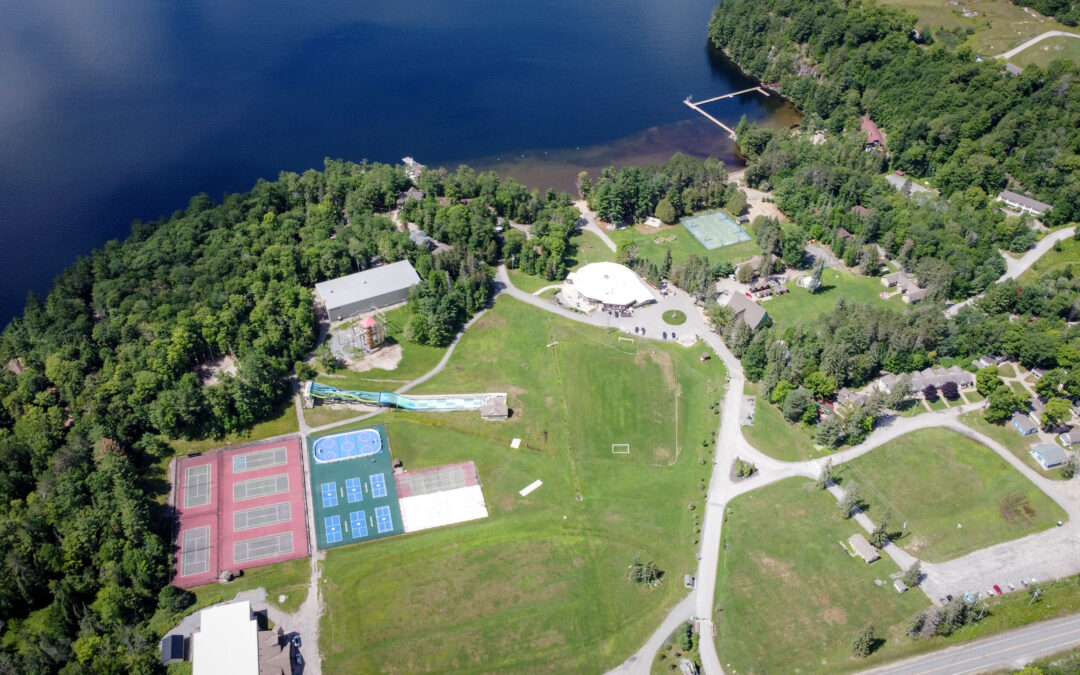
Several of Muskoka Woods’ experts pointed to the mental health benefits of outdoor education and it’s no wonder. Research shows that time spent outdoors has been shown to reduce stress and anxiety. In the 1,100 acres of woodland provided by Muskoka Woods, students can find respite from academic pressures and experience a sense of tranquillity. Another student testimonial attests to the emotional benefit of being immersed in nature when they say, “being outside to enjoy nature is good for students’ physical and mental health.”
Social skills and teamwork
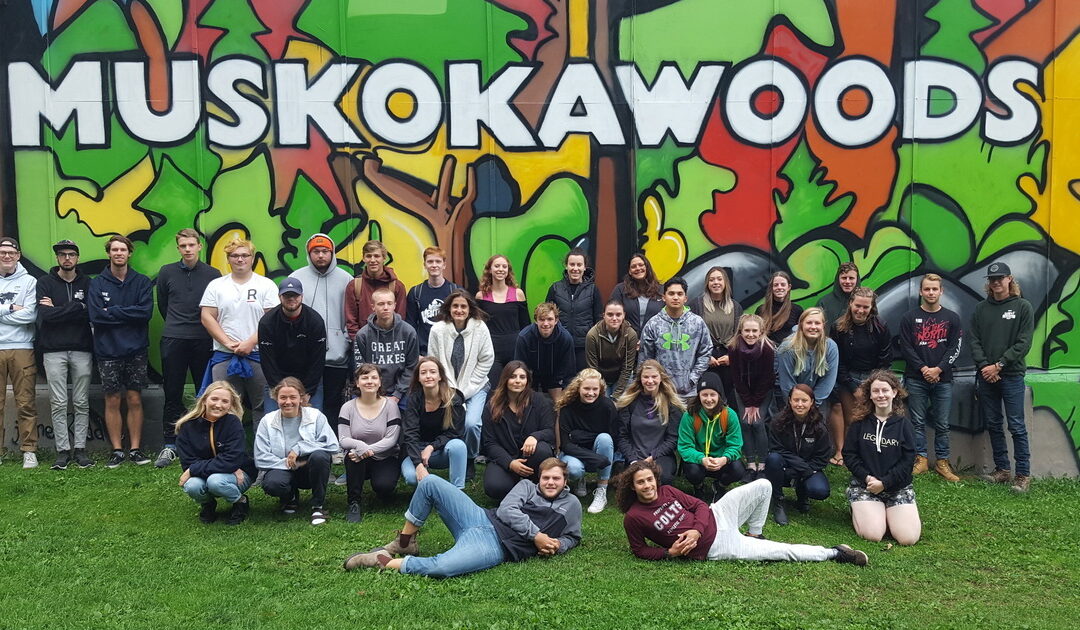
Outdoor education often involves group activities and challenges, fostering teamwork, effective communication, and most significantly, lasting friendships! Chris Tompkins, CEO, elaborates on the important bonds guests develop during the Schools and Retreats program.
“Muskoka Woods’ programming is a blend of adventure, teamwork, and personal growth, which provides an ideal environment for students to forge deep and lasting relationships,” he says. “Through shared experiences, collaborative challenges, and a focus on interpersonal development, students leave the program with not only cherished memories but also, stronger connections that can positively influence their personal and academic lives.”
Hands-on learning and practical skills
Learning by doing is an integral part of outdoor education. Whether it’s navigating the 5km nature trail or utilizing an iPad for the Photo Scavenger Hunt, the hands-on experiences at Muskoka Woods make learning engaging while helping students hone their problem-solving and critical-thinking skills. Lucas Durocher, Director of Schools and Retreats, stresses the importance of experiential learning in deepening students’ understanding of concepts and helping them think on their feet.
“Outdoor education combines the lessons of a classroom with real-life dynamics,” he says. “Students face practical challenges in new environments where they have to work together. And the end result is improved friendships, improved confidence, and improved creativity.”
Life skills and personal growth
Conquering outdoor challenges builds self-confidence and resilience. Students who overcome physical obstacles develop a sense of accomplishment that extends beyond outdoor activities, positively impacting their self-esteem, establishing independence, and teaching them how to make responsible decisions.
“Outdoor education has a huge impact on a child’s physical, emotional, and mental health,” says Logan McClure, Schools and Retreats Program Coordinator. “By immersing them in a brand new setting where they can grow in confidence, challenge themselves in ways they never thought they could, and experience amazing activities that they can’t experience anywhere else, our programming — and our staff — helps students learn communication and leadership skills.”
The benefits of outdoor education for student development are far-reaching and multifaceted. Muskoka Woods’ expertise underscores the transformative potential of outdoor experiences in nurturing physically, mentally, and emotionally healthy individuals. By embracing outdoor education, students cultivate essential life skills, connect with nature, and lay the foundation for a well-rounded future. As Muskoka Woods continues to champion outdoor learning, their insights remind us that education extends beyond classroom walls, into the beauty and lessons of the natural world.
Visit schools.muskokawoods.com for more information or to book your next Schools and Retreats visit.